Titanium Ring Forgings
Rolled and open-die rings for flange blanks, seal rings and bearing housings. The grain runs around the circumference, where hoop stress acts.
ASTM B381 F-1 / F-2 / F-5 · OD ≤2,500 mm · UT on request

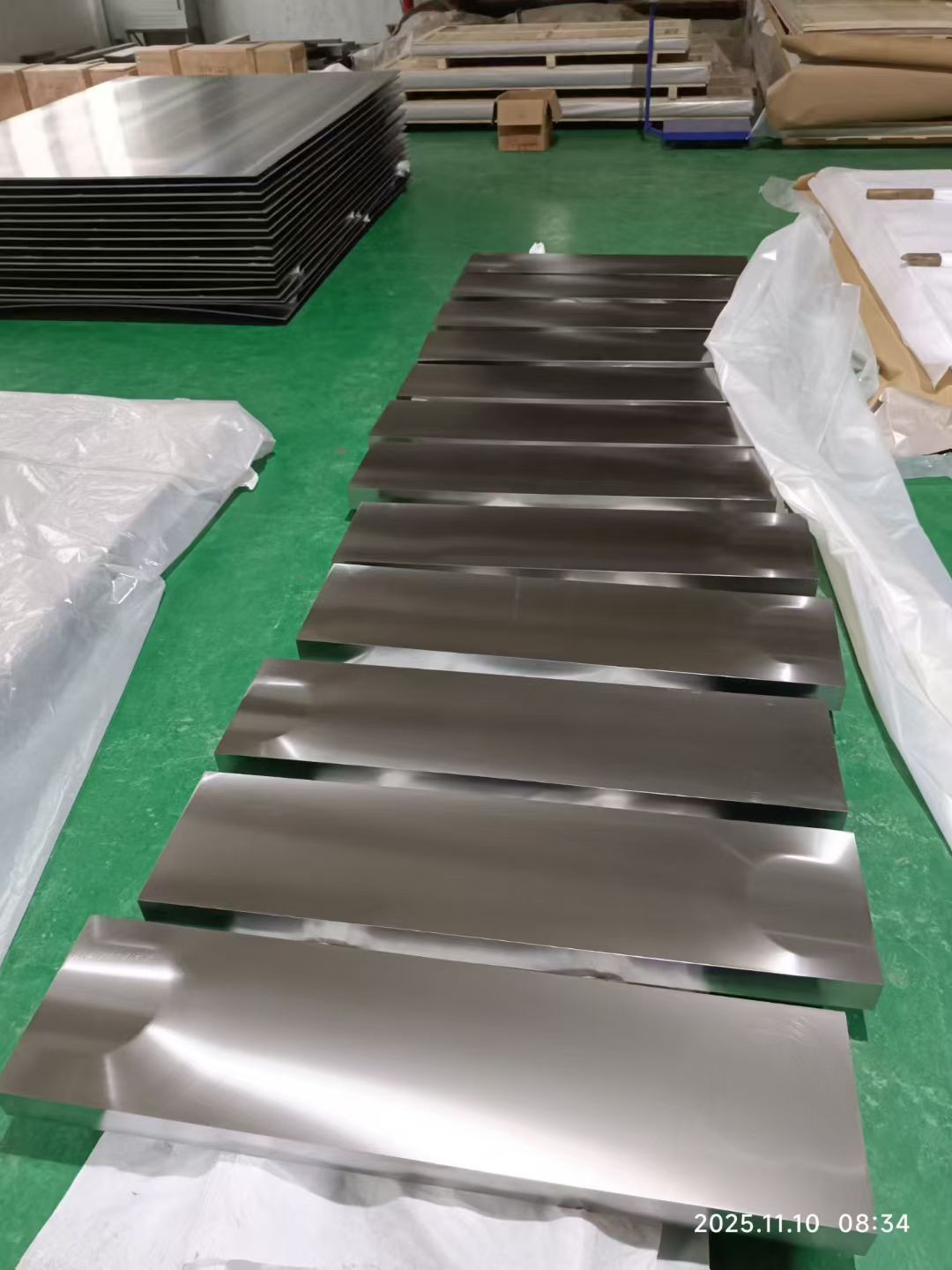
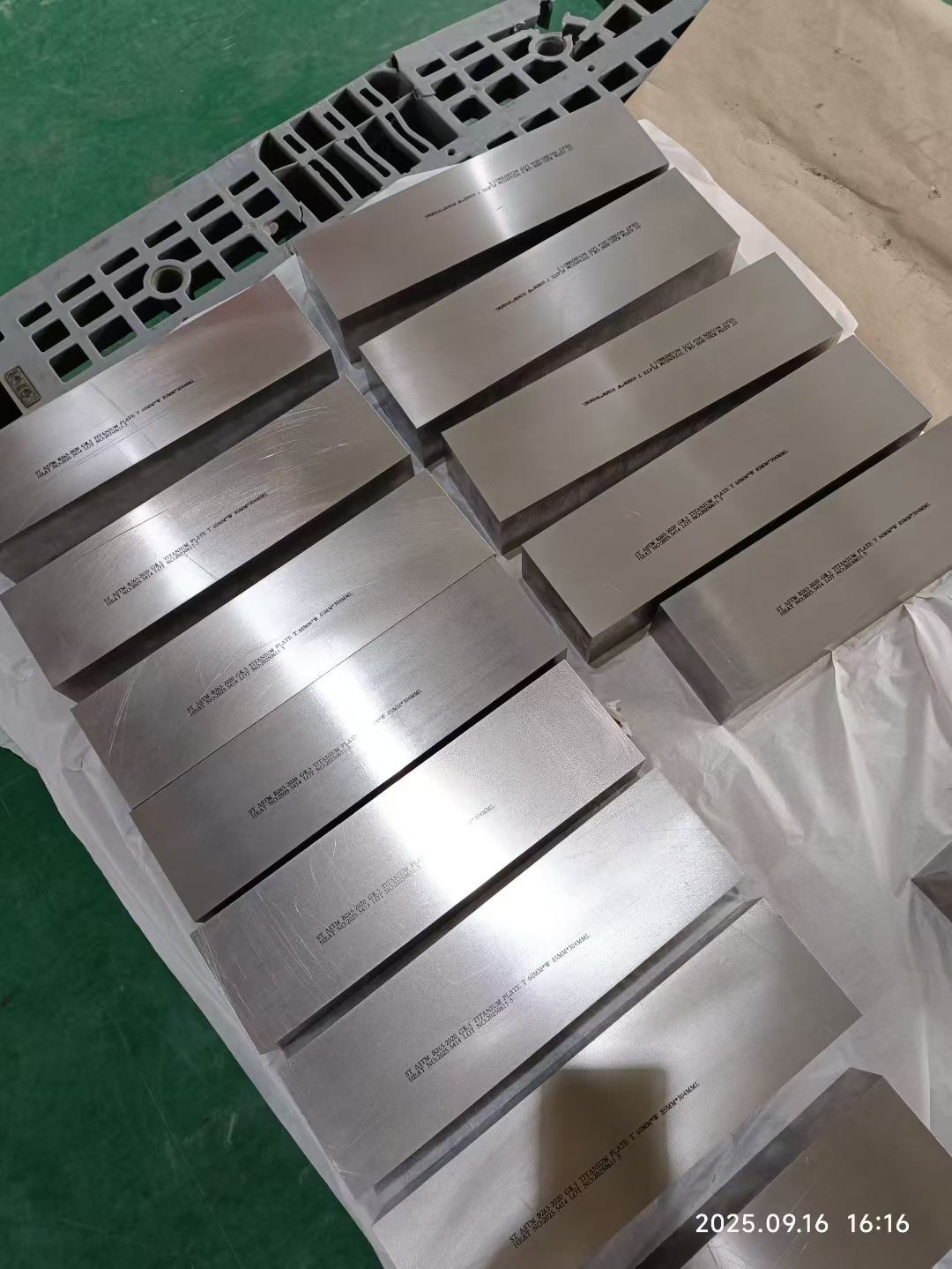
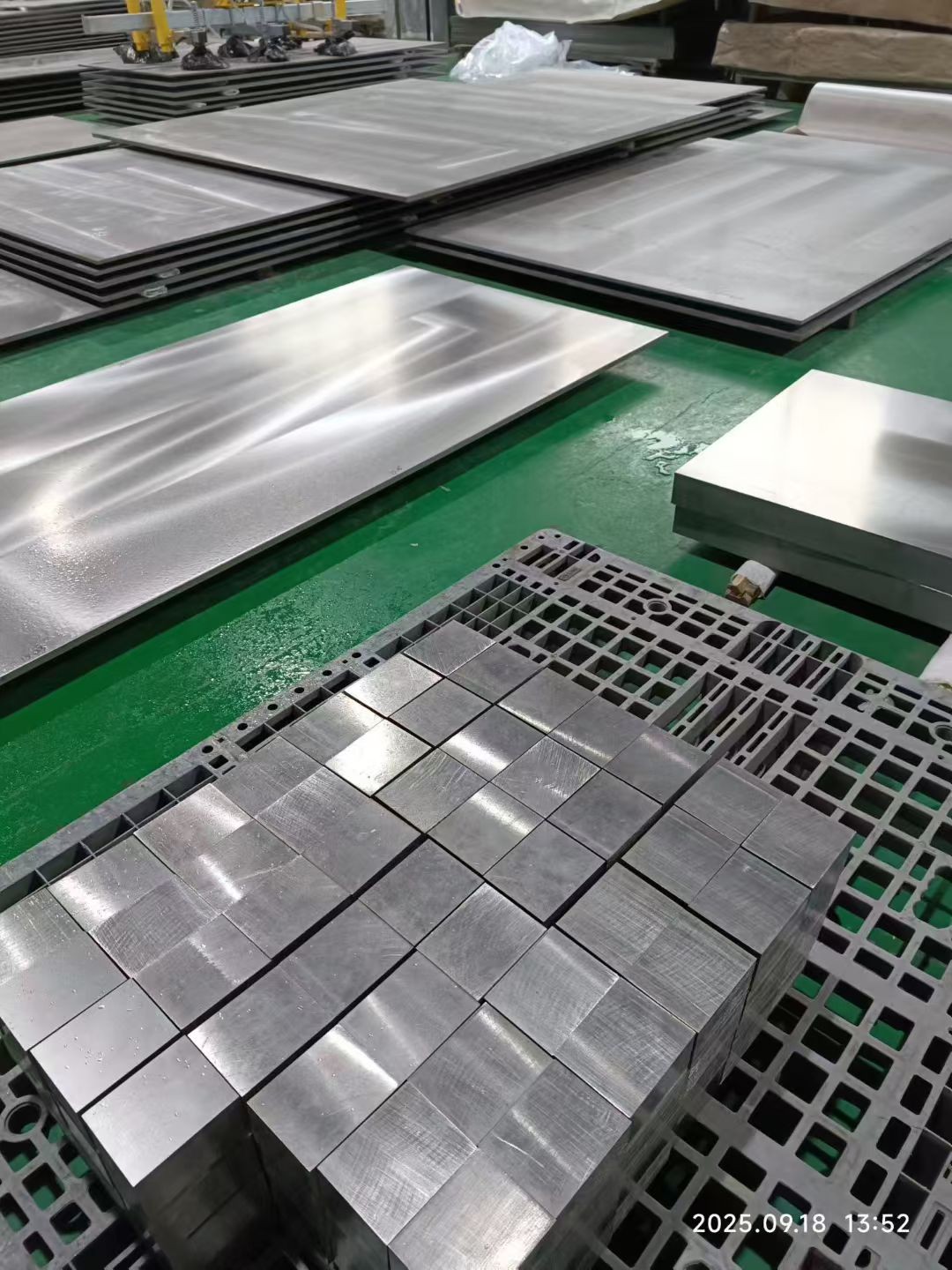
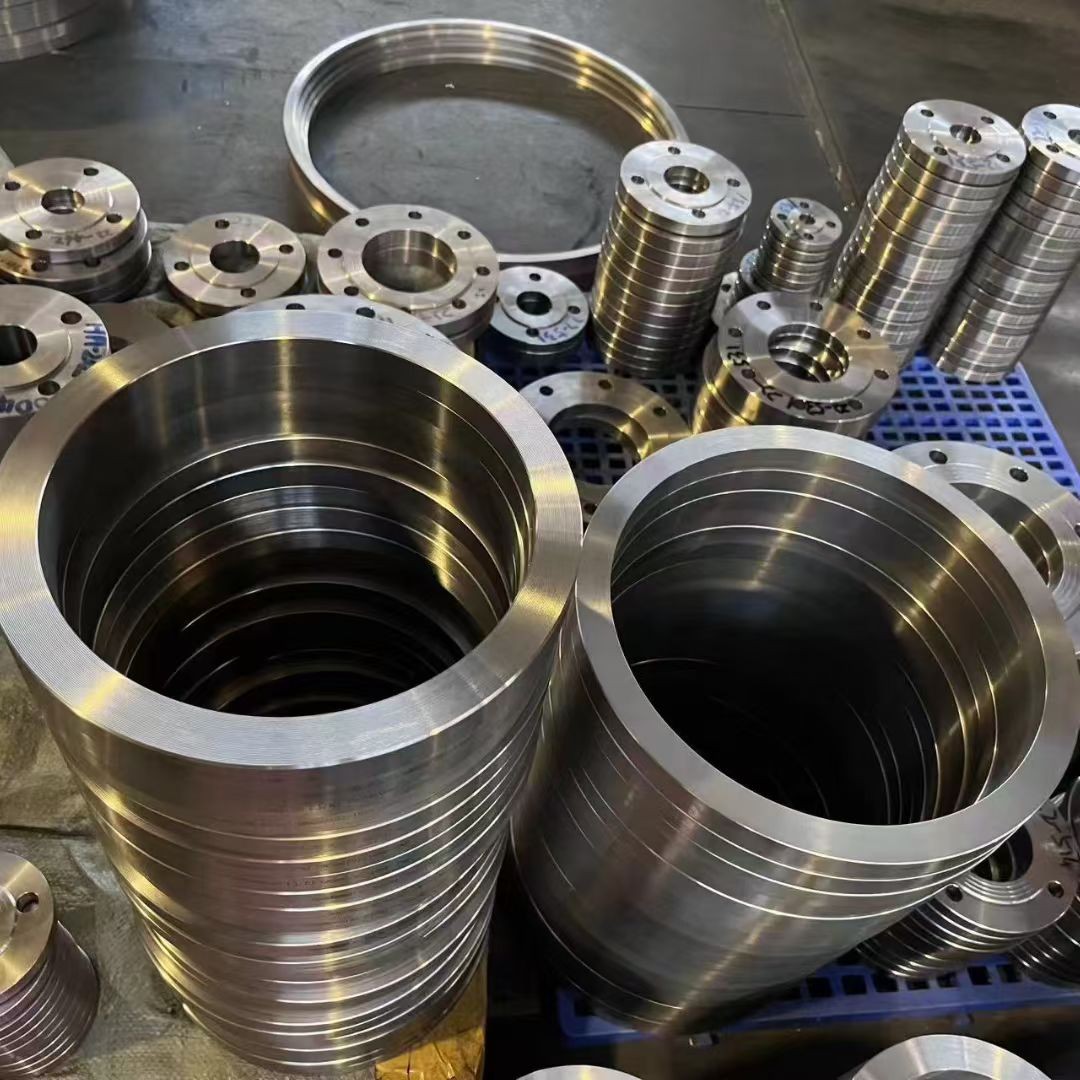
GKtitanium provides titanium and titanium alloy forging supply options for industrial equipment, engineering components, and other demanding applications. Forged products can be specified by material grade, shape, dimensions, heat treatment, and inspection requirements according to project needs and confirmed supply capabilities.
Titanium forging supplier for rolled rings, upset discs, blocks, step shafts, flanges and valve bodies to ASTM B381, Grades F-1 to F-23. Rings reach OD 2,500 mm (98 in); single pieces reach 3,000 kg (6,600 lb). The forges we qualify sit in the Baoji–Xi'an cluster, working to a specification written around your drawing.
Send a Drawing for Quote Download Forging Datasheet
We do not run our own press. The forge is picked for the size and the shape: ring rolling for annular parts, open-die upset or draw for discs and shafts, closed die where the volume pays for tooling. Before the billet is cut, the purchase specification fixes grade, billet heat, reduction ratio, heat treatment cycle, ultrasonic level, machining allowance and marking.
Two forges can quote the same drawing and come back with different grain flow, different UT results and different stock left for your machinist.
Rolled and open-die rings for flange blanks, seal rings and bearing housings. The grain runs around the circumference, where hoop stress acts.
ASTM B381 F-1 / F-2 / F-5 · OD ≤2,500 mm · UT on request
Upset discs, cogged blocks and drawn step shafts to 3,000 kg per piece, with the grain flow direction agreed at drawing review.
ASTM B381 · ≤3,000 kg per piece · 3:1 reduction or higher
Open-die and closed-die parts from a STEP model or drawing. Allowance, tolerances, first article inspection and die cost are stated up front.
Open die / closed die · STEP or 2D · FAI report
Weld-neck, slip-on, blind and lap-joint flanges plus valve bodies, forged to B381 and machined to ASME B16.5.
B381 + ASME B16.5 · 1/2–24 in · Class 150–2500
| B381 grade | Alloy | UNS | Typical forged part |
|---|---|---|---|
| F-1 | Grade 1 CP | R50250 | Anodes, liners, ductile parts |
| F-2 | Grade 2 CP | R50400 | Flanges, valve bodies, rings |
| F-3 | Grade 3 CP | R50550 | Pure titanium, higher strength |
| F-5 | Ti-6Al-4V | R56400 | High-strength discs, shafts, fittings |
| F-7 | Ti-0.2Pd | R52400 | Reducing-acid rings and bodies |
| F-12 | Ti-0.3Mo-0.8Ni | R53400 | Hot brine, crevice, sour service |
| F-23 | Ti-6Al-4V ELI | R56407 | Implants, cryogenic parts |
The F prefix is the forging grade, and an F-5 forging is a separate product from a Grade 5 bar. ASME SB381 is the same material read through the pressure vessel code.
Reduction ratio is billet cross-section divided by finished section: whether the centre of a thick part was worked or just carried along. Our minimum is 3:1. A drawing asking for 4:1 or 5:1 gets a separate route and price; where it is silent, 3:1 is what we forge and report.
Direction matters as much as ratio. An upset disc carries grain outward in the disc plane, a drawn shaft along its axis. Machine either from a block and you cut across the flow lines.
| Form | Range | Allowance | Condition |
|---|---|---|---|
| Rolled / open-die ring | OD ≤2,500 mm (98 in) | 3–5 mm radial | As-rolled or rough turned |
| Disc / block | OD or diagonal ≤1,500 mm (59 in) | 3–5 mm per face | Rough turned or black |
| Step shaft | Length per drawing | 3–5 mm plus end stock | Rough turned |
| Flange / valve body | 1/2–24 in, Class 150–2500 | 3–5 mm on faces | Rough machined |
Allowance is restated at drawing review. A tighter stock figure has to be known before the billet is cut, because it changes the route rather than the last cut.
Annealed as standard. F-5 is solution treated and aged where the strength calls for it, or beta annealed for fracture-critical parts. Stress relief follows rough machining when flatness has to hold. Surface arrives black, pickled or rough turned.
The UT level has to be settled before the billet is cut. Acceptance level and probe size decide the route and the price, and neither can be added afterwards. How inspection is handled before shipment →
| Item | Detail |
|---|---|
| Packing | VCI film on machined faces, blocked in an ISPM-15 case, or bolted to a skid over 1,000 kg |
| Quotation turnaround | on request |
| Forging lead time | on request |
| Minimum order | on request |
See packing standards → Shipments leave from Qingdao, Shanghai or Tianjin.
No. Partner forges produce the part. We hold the specification, review the route card and test results, inspect and pack it.
A drawing or STEP model, the B381 grade, quantity, ultrasonic level and the machining stock to be left. Leave out the last two and the quotes you collect will not be comparable.
Send the drawing or STEP file, grade, quantity and inspection level. The reply carries route, allowance, die position if tooling is needed, and lead time.
Contact: Jessie
Phone: +86-19539017809
E-mail: sales@gktitanium.com
Add: BLOCK A, HUIHANG PLAZA , HANGTUO ROAD, NATIONAL CIVIL AEROSPACE INDUSTRY BASE, Xi'an
LiveChatclose

 Send Email
 WhatsApp